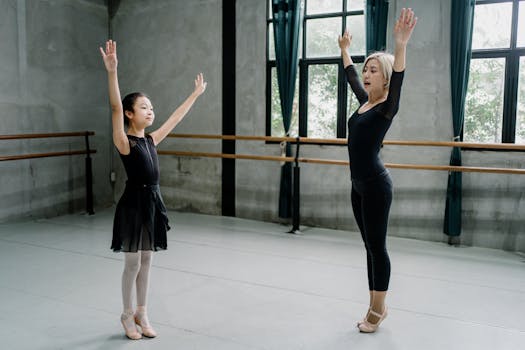
The phrase “movement education” often conjures images of children in brightly colored leotards, or perhaps athletes meticulously honing their craft. While these associations aren’t entirely inaccurate, they only scratch the surface of a profoundly transformative field. In reality, movement education is far more than simply teaching people how to move. It’s a sophisticated discipline that explores the intricate relationship between our physical selves and our cognitive, emotional, and social development. It’s about understanding how we move, why we move, and the deep implications of this fundamental human activity on our overall well-being and capacity to learn.
Too often, we compartmentalize physical activity, viewing it as separate from intellectual pursuits. This, I’ve found, is a significant oversight. Our bodies and minds are not isolated entities; they are deeply interconnected. Every muscular contraction, every subtle shift in balance, every coordinated action sends signals to our brain, shaping neural pathways and influencing everything from memory consolidation to emotional regulation. This holistic perspective is the bedrock of effective movement education.
The Neurological Symphony: How Movement Rewires the Brain
At its core, movement education is fundamentally about neuroplasticity. When we engage in intentional movement, we’re not just building muscle or improving cardiovascular health; we are actively restructuring our brains. Consider the process of learning a new motor skill, like riding a bicycle or playing a musical instrument. Initially, it’s a conscious, effortful endeavor. With practice, however, the neural pathways become more efficient, and the movement becomes almost automatic. This phenomenon isn’t limited to discrete skills.
This principle extends to more general movement patterns. Activities that promote balance, coordination, and proprioception (our sense of body position) directly stimulate areas of the brain responsible for spatial reasoning, attention, and problem-solving. For instance, exercises that challenge our equilibrium, such as standing on one leg or navigating uneven surfaces, force the brain to process a vast amount of sensory information and make rapid adjustments. This cognitive load, far from being detrimental, actually strengthens the brain’s executive functions. It’s fascinating to witness how a child struggling with focus can find their concentration profoundly improved through simple, guided movement sequences that encourage mindful body awareness.
Beyond the Classroom: Movement Education for Lifelong Learning
The implications of this mind-body connection are vast, particularly when we look beyond traditional educational settings. Movement education principles can be integrated into virtually any learning environment, from early childhood development to adult professional training. Think about how professional athletes are often lauded for their strategic thinking and quick decision-making – these are not solely cognitive skills; they are deeply intertwined with their finely tuned kinesthetic intelligence.
Furthermore, a robust understanding of movement education can empower individuals to better manage stress and enhance emotional resilience. Embodied practices, which emphasize paying attention to bodily sensations, can help us become more attuned to our emotional states. When we learn to recognize the physical manifestations of anxiety or frustration, we can then employ movement-based strategies – deep breathing, stretching, or even simply shifting our posture – to help regulate these feelings. This proactive approach to emotional well-being is a critical, often overlooked, benefit of engaging with movement education. It’s about developing a toolkit of somatic responses that foster inner calm and greater self-awareness.
Addressing Developmental Delays: A Kinesthetic Pathway to Progress
For children experiencing developmental delays, or those with learning differences, movement education offers a powerful, non-stigmatizing avenue for growth. Many developmental challenges manifest not just in cognitive abilities but also in motor skills, coordination, and sensory processing. By focusing on fundamental movement patterns – crawling, rolling, jumping, balancing – we can help build the foundational physical skills necessary for more complex learning.
For example, specific programs designed around developmental milestones can assist children with conditions like dyspraxia or ADHD. These programs often involve structured play and guided activities that break down complex movements into manageable steps. The joy of successful physical accomplishment can significantly boost a child’s self-esteem, which in turn fuels their motivation to tackle other learning challenges. It’s not about forcing a child to perform; it’s about creating an environment where they can explore their physical capabilities and discover their potential through enjoyable, engaging experiences. This approach is a far cry from rote memorization; it’s about experiential learning that resonates deeply.
Cultivating Body Literacy: The Foundation of Autonomy
Ultimately, movement education cultivates what I like to call “body literacy.” This is the ability to understand, interpret, and respond effectively to the signals your body sends. It’s about developing a sophisticated internal dialogue, recognizing what your body needs to thrive, and possessing the knowledge and skills to meet those needs. This autonomy is crucial for navigating the complexities of modern life, where sedentary lifestyles and chronic stress are increasingly prevalent.
When we are body literate, we are better equipped to make informed choices about our health, our posture, and our overall physical engagement with the world. This understanding can prevent injuries, improve athletic performance, and simply enhance our daily comfort and efficiency. It’s about moving through life with greater ease, confidence, and a profound connection to our physical selves.
Final Thoughts: Integrate and Explore
The true power of movement education lies in its universality and its adaptability. It’s not confined to gyms or studios; it can be woven into the fabric of our daily lives. Whether you’re a parent seeking to support your child’s development, an educator looking to enhance learning outcomes, or an individual simply aiming to live a more vibrant and fulfilling life, embracing the principles of movement education can be profoundly impactful. I encourage you to explore how intentional movement can unlock new possibilities for yourself and those around you. Start small, pay attention to your body, and discover the transformative potential of mindful motion.